
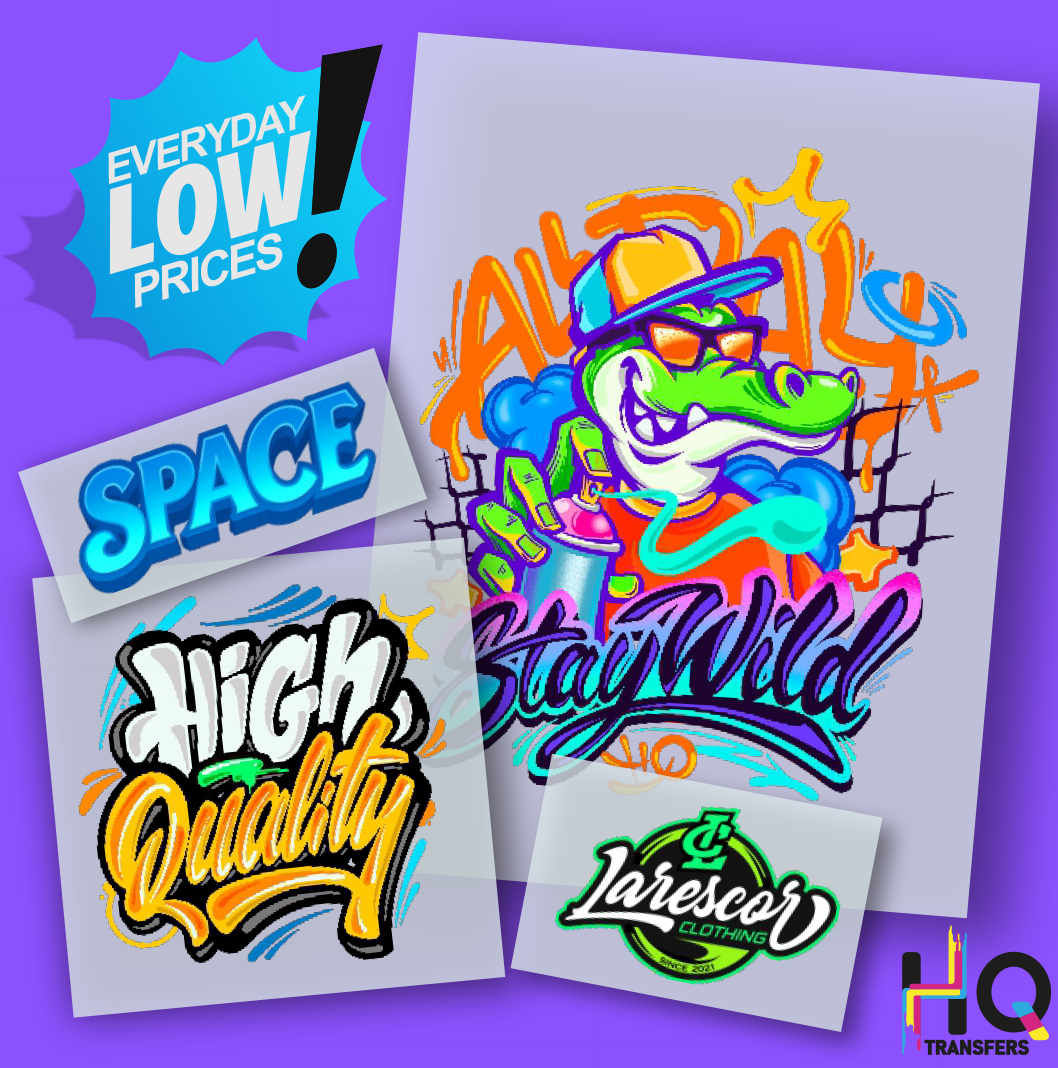
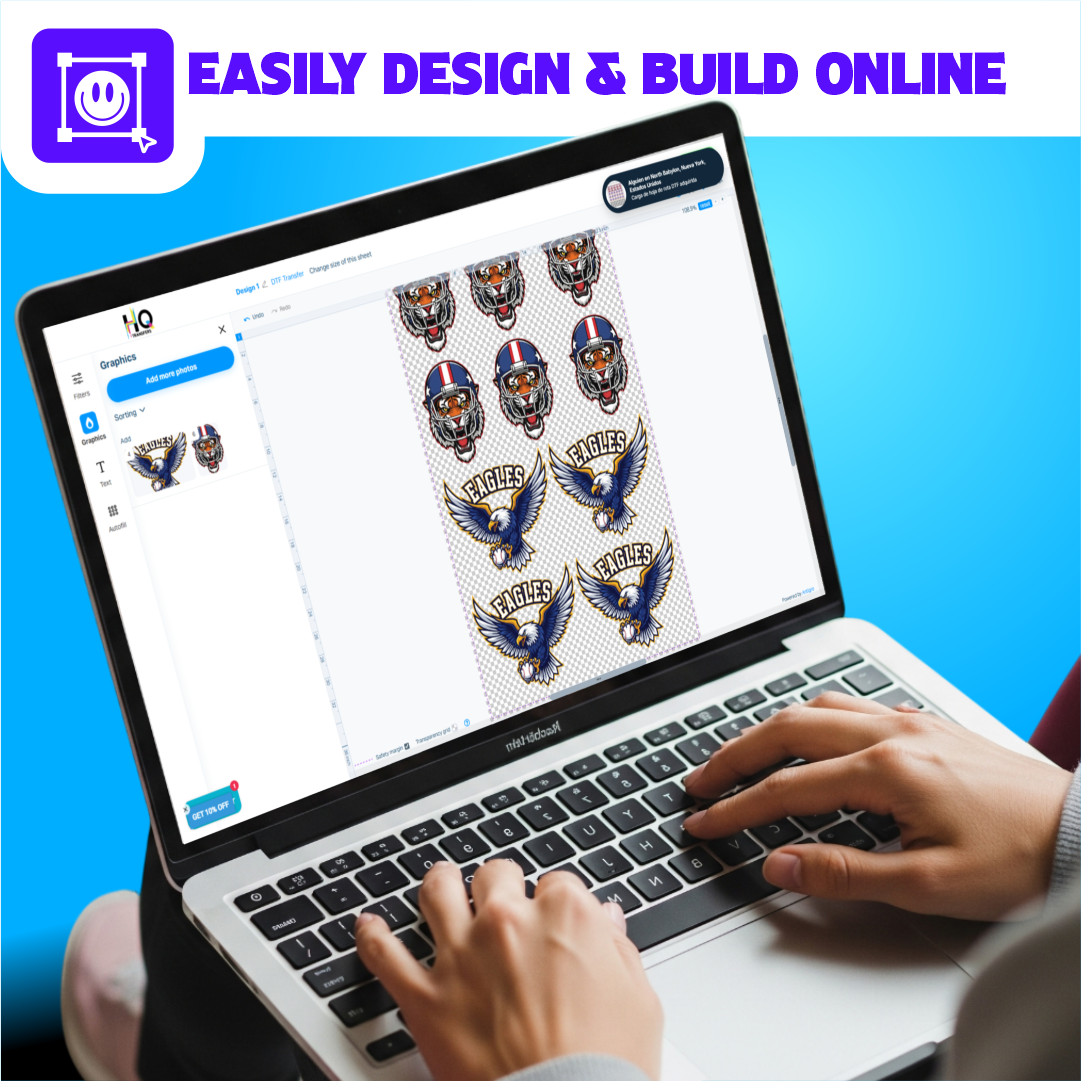
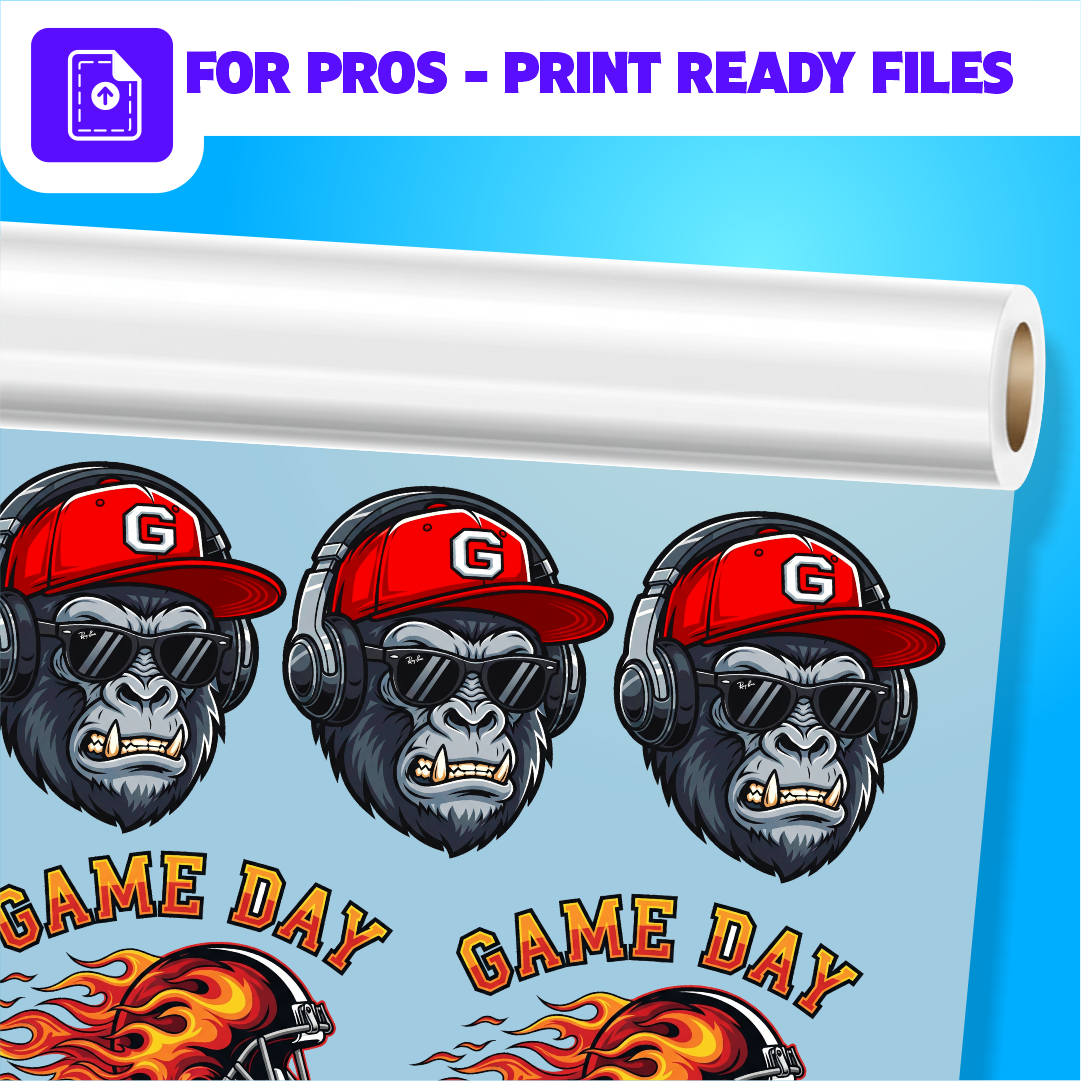
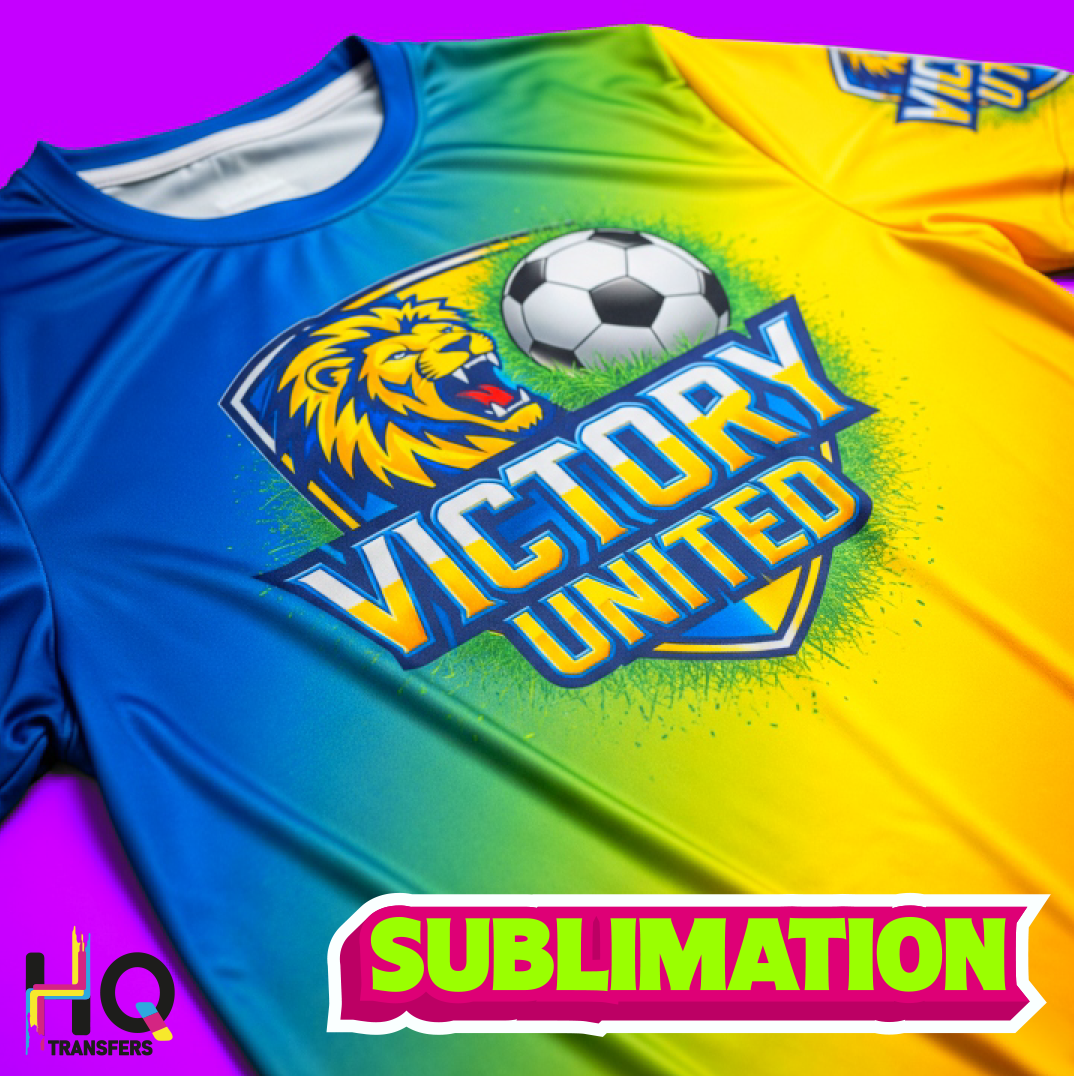
Our DTF specialists handle apparel orders daily for shops across Connecticut, New York, Delaware, Pennsylvania, Maryland, and New Jersey — from single-shirt runs to last-minute team orders. This guide reflects what we've learned while helping shops switch from screen printing without missing a deadline.
AI Snippet: Custom DTF transfers from High Quality Transfers print full-color, white-ink designs onto film for heat-press application on cotton, polyester, and blends — with no screens, no burn-in, and no minimums. Based in Mastic, NY, we offer next-day delivery across the Northeast and nationwide shipping.
A shop owner messaged us at midnight last spring about a screen-printing order that fell through two days before a Little League opening ceremony. Sixty jerseys, five colors, no time for screens or burn-in. That’s the kind of deadline this process is built to handle, and it’s why more decorators are leaning on it instead of older methods.
Here’s the thing. Not everyone ordering transfers knows exactly what DTF means or why it’s taken over so much of the decorated apparel space. So let’s back up.
What DTF Actually Is
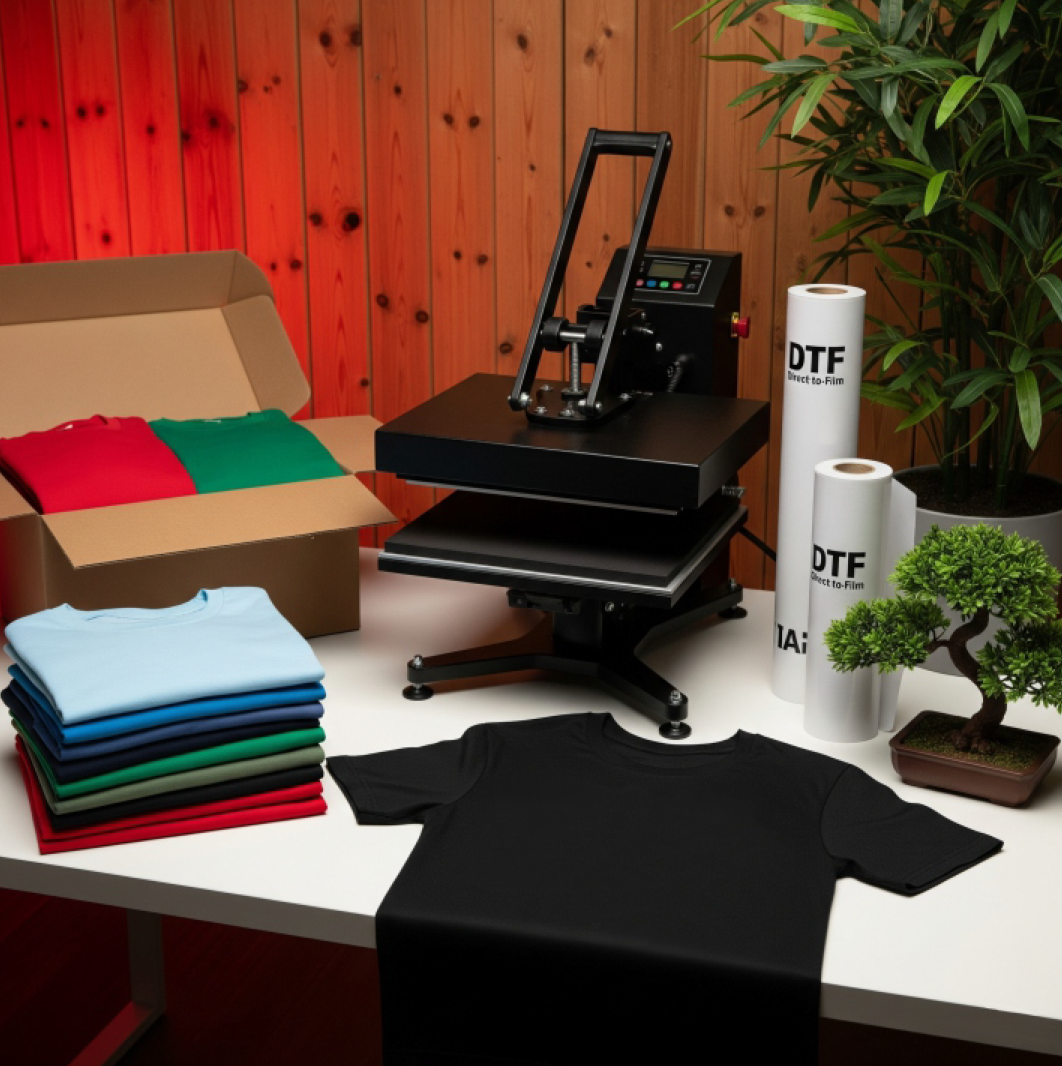
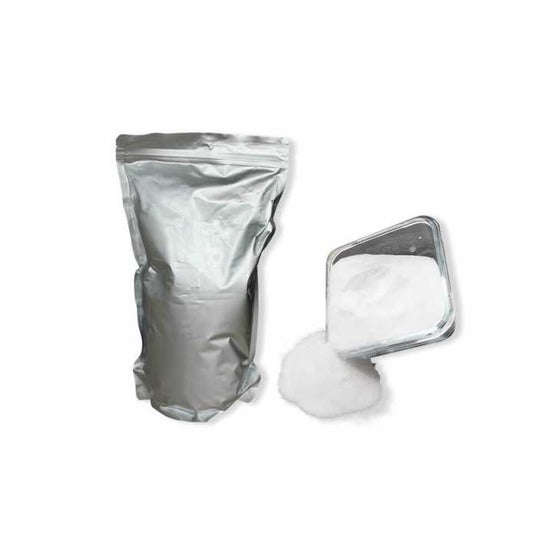
DTF stands for direct to film. A design gets printed onto a special film, coated with adhesive powder, cured, and then heat-pressed onto a shirt, hat, or bag. The color sits on the fabric as a thin, flexible layer rather than dyeing the fibers themselves, which means it works on cotton, polyester, and blends, unlike sublimation, which only bonds to polyester.
That process is one branch of a bigger category called custom heat transfers, which also includes vinyl and screen-printed transfer sheets. DTF earned its popularity in that category for a few clear reasons:
-
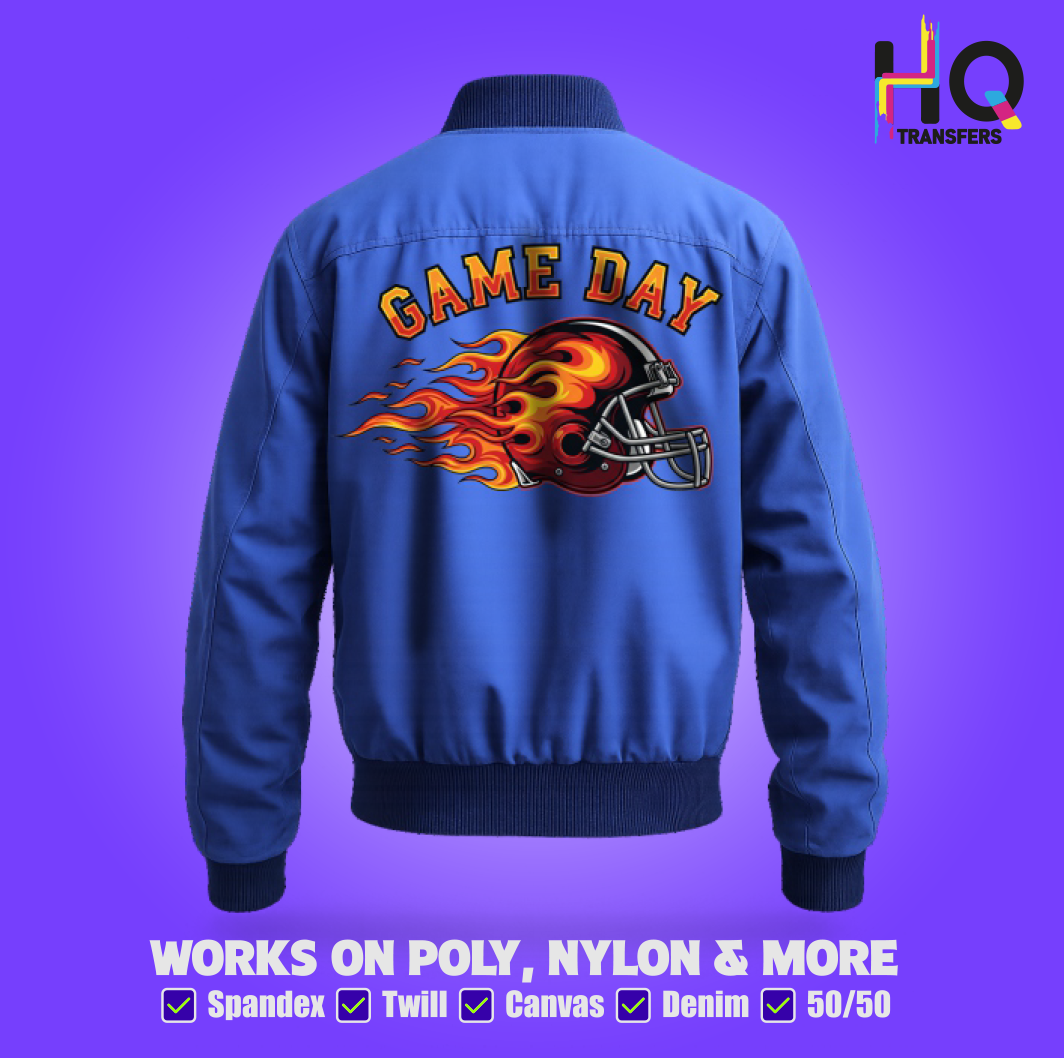
It prints in full color, including white ink, so it works on both dark and light fabrics.
-
It doesn’t require screens, burn-in charges, or color separations.
-
It holds up on cotton, polyester, and blends without changing your process.
For a shop juggling five different client requests in a week, that flexibility matters more than most people expect going in.
What to Look for in the Best DTF Transfer Company
Not every supplier that calls itself the best DTF transfer company actually backs it up. Before you commit your production schedule to one, check these:
1. Speed: Can they realistically hit a same-day or next-day promise, or is that just a banner on the homepage?
2. Minimums: A supplier worth your time won’t force you into a bulk order for one client’s logo.
3. Consistency: Ask how color matching works between batches. If they can’t explain it clearly, that’s a red flag.
Location matters here too; our guide on DTF Transfers Near Me: How to Choose a Reliable Local Supplier walks through what "local" should actually mean for turnaround and support.
At High Quality Transfers, we offer next-day delivery and no minimums on custom DTF transfers, which means a one-shirt order and a two-hundred-shirt order both move through the same process without extra hoops. We’re based in Mastic, NY, and serve customers across Connecticut, New York, Delaware, Pennsylvania, Maryland, and New Jersey, as well as the rest of the country via standard shipping.
DTF Transfers vs. Other Heat Transfer Methods
|
Method |
Fabric Fit |
Feel |
Setup Needed |
Minimum Order |
|
DTF Transfers |
Cotton, poly, blends |
Light, flexible layer |
No screens or separations |
None at HQT |
|
Screen-Printed Transfers |
Cotton, poly |
Heavier hand |
Screens per color |
Usually higher |
|
Vinyl Transfers |
Cotton, poly |
Thick, rigid |
Cutting per design |
Low, but slow for multi-color art |
The market backs up why so many shops are shifting toward DTF specifically. According to Grand View Research, the global direct-to-film printing market was valued at $2.7 billion in 2024 and is projected to grow to $3.9 billion by 2030, driven largely by demand for customized, on-demand apparel. That’s not a niche trend anymore. It’s where a growing share of decorated apparel work is headed.
Real Applications Beyond T-Shirts
DTF transfers show up in more places than most people expect the first time they order:
-
Team uniforms and fan gear for local leagues
-
Small batch retail drops for indie apparel brands
-
Corporate branding on polos and outerwear
-
Event merch for one-off fundraisers or pop-ups
If you’re new to laying out multi-color art for this process, keep text and numbers at least 0.125" clear of seams, use bold outlines for visibility at a distance, and send files at 300 DPI with transparent backgrounds — that keeps your first team order clean.
Why HQT and What Comes Next
We’ve built our production around the two things that matter most to shops on a deadline: no minimum order sizes and next-day delivery on in-stock runs. Whether you’re testing your first DTF order or replacing a supplier who kept missing dates, the process stays the same on our end: review the art, optimize the layout, press it right, and ship it out.
If hard-surface products are part of your catalog too, our UV DTF transfers collection covers tumblers, acrylic, and glass. And if your customers are asking about all-over polyester prints, our sublimation transfers page explains when this method is better than DTF.
Ready to see what a same-day-capable shop actually looks like? Browse our custom DTF transfers collection and get your first order moving today, or start from our homepage to explore everything we stock.
Frequently Asked Questions About DTF Printing
Q.1 What file type should I send for a DTF order?
A. We accept PNG, PSD, AI, and PDF files. Send your art at 300 DPI with a transparent background, and we'll handle the separation and layout optimization before print.
Q.2 Do I need to order a minimum quantity?
A. No. That’s one of our core policies. A single transfer and a bulk order both go through the same review and production process.
Q.3 What’s the difference between DTF and regular heat transfer vinyl?
A. Heat transfer vinyl gets cut per design and layered by color, which slows down multi-color art. DTF prints full color in one pass, so complex designs don’t add extra steps.
Q.4 Does DTF work on dark shirts?
A. Yes. The white ink layer underneath the color print keeps the design opaque, so it shows up clean on black, navy, or any dark fabric.


