



By the Production Team, High Quality Transfers
Our production team runs pricing, ready-to-press, and hat-transfer orders through the same process every day. This guide reflects what actually affects cost and durability on real orders, not just what's cheapest on paper.
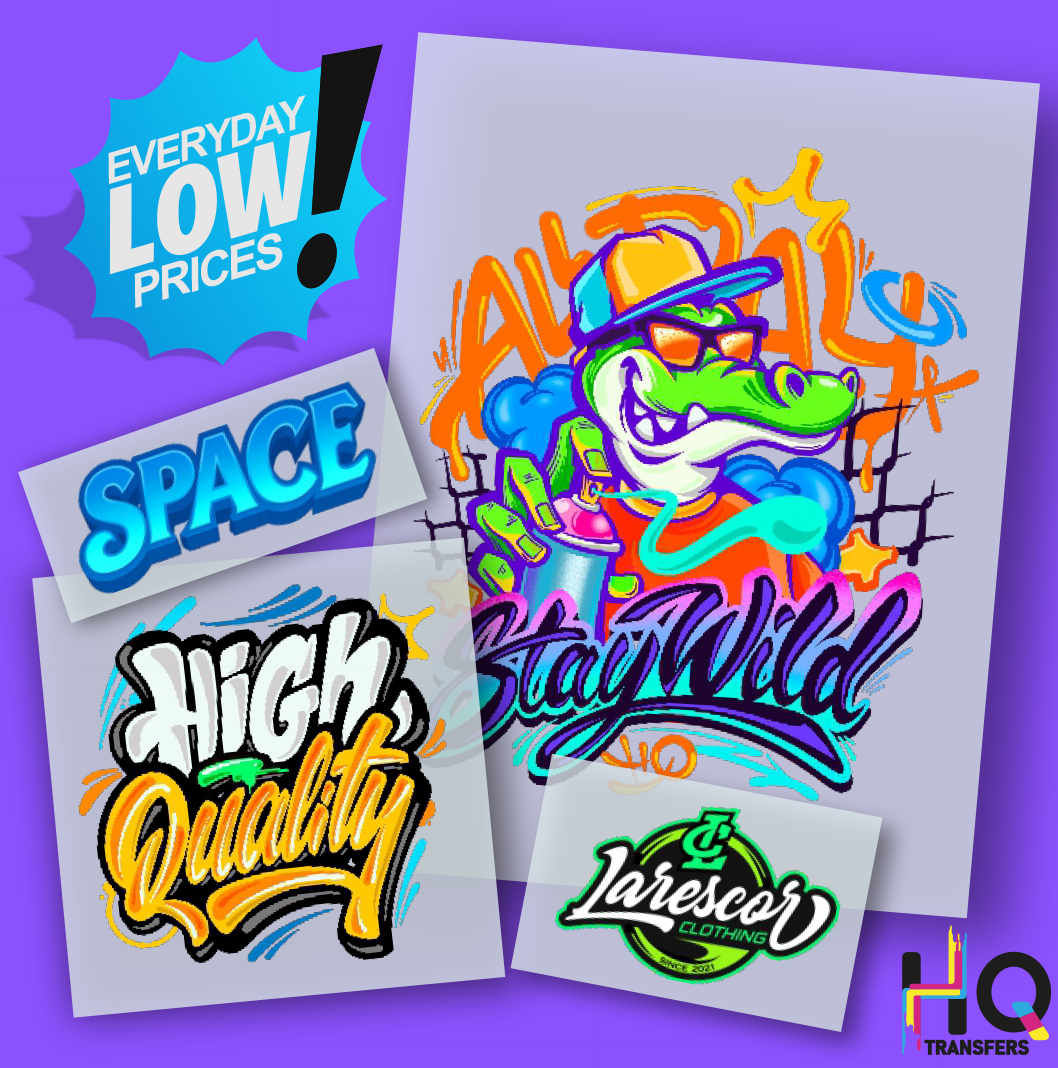
Affordable DTF transfers deliver real value through no minimum order sizes, next-day delivery, and consistent color and adhesion, not just a lower price tag. High Quality Transfers applies the same production standard to every order, from single small transfers to full hat and apparel runs.
Every small shop owner has the same worry at some point: Am I paying too much per transfer to actually make money on this order? It's a fair question, and honestly, one worth taking seriously instead of brushing it off.
There are 36.2 million small businesses in the United States, according to the SBA Office of Advocacy's 2025 Small Business Profile, accounting for almost 46 percent of private-sector employment. A huge share of them are exactly the kind of shop that watches every line item on a supply order. Cost isn't a small concern. It's the whole business model for most of them.
Why Affordable DTF Transfers Don't Mean Cheap
Here's where a lot of buyers get it wrong. Affordable DTF transfers aren't about finding the lowest price at any cost. They're about getting real value: color that holds, adhesion that lasts, and a supplier who doesn't nickel-and-dime you with setup fees or forced minimums.
We keep pricing competitive through a straightforward approach. No minimum order requirements mean you're not overbuying just to hit a price break. Next-day delivery on in-stock orders means you're not paying rush fees to fix a scheduling mistake. And with over 2,500+ products in our catalog, you're not stuck choosing between three overpriced options.
The Real Value of Ready-to-Press Transfers
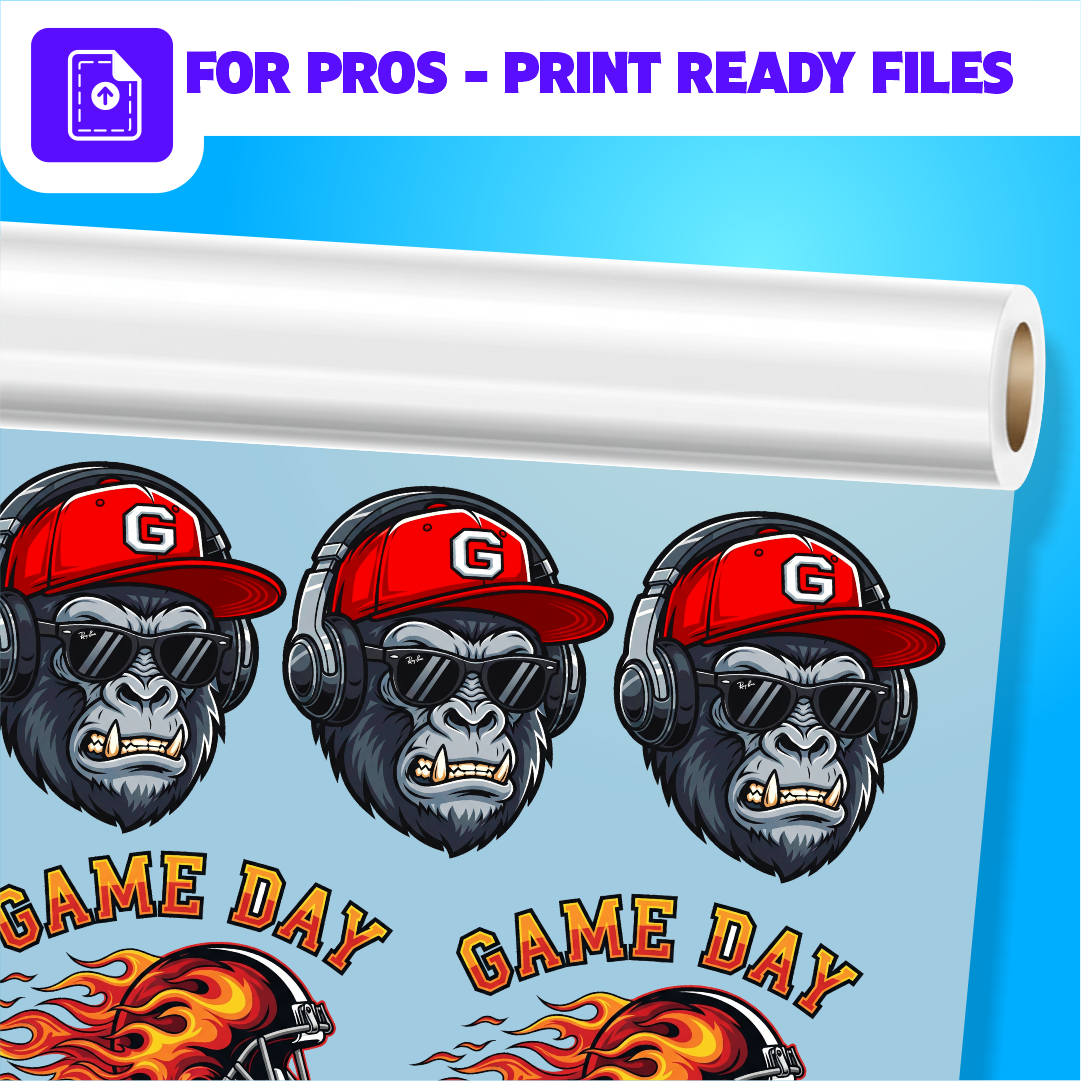
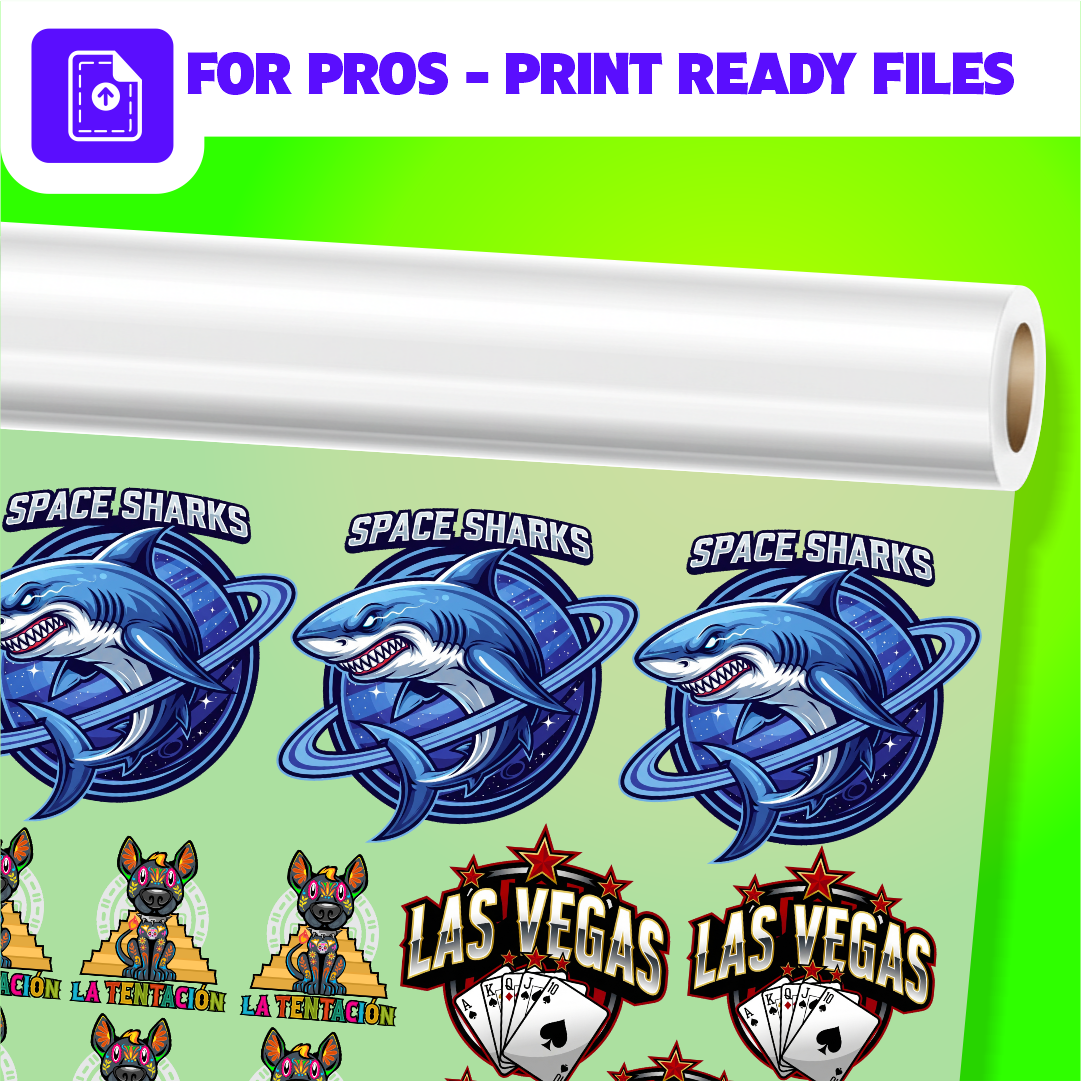
Ready-to-press transfers arrive pre-printed, pre-powdered, and cut to size. You skip weeding and powder application entirely. Some shops assume this convenience comes at a steep premium, but the actual cost difference is usually small once you factor in the labor time saved on your end.
For anyone running a shop without dedicated cutting staff, that time savings adds up fast across a busy week.
Hot Peel DTF Transfers for Faster Turnaround
Most DTF transfers are cold peel, meaning you wait for the transfer to cool before removing the film. Hot peel DTF transfers let you peel the film immediately after pressing, which shaves real time off high-volume runs.
The tradeoff: hot peel requires more precise temperature and pressure control to avoid a duller finish. For shops running large batch orders where every second at the press matters, that tradeoff is usually worth it.
|
Peel Type |
Wait Time |
Best For |
Finish |
|
Cold Peel |
Cools fully before peeling |
Standard orders, smaller runs |
Slightly glossier |
|
Hot Peel |
Peeled immediately after pressing |
High-volume, fast turnaround runs |
Slightly matte |
Why DTF Transfers for Hats Take a Different Approach
Curved surfaces change everything about pressing. Hats have limited flat space, seams that catch on a standard heat press, and a much smaller margin for error than a flat t-shirt.
A few practical adjustments make hat pressing more reliable:
-
Keep designs small, generally under 4 inches wide, to fit the curved panel cleanly.
-
Use a cap press attachment instead of forcing a flat press onto a curved surface.
-
Test pressure on a scrap cap before running your full order, since seams change how evenly pressure distributes.
-
Structured caps hold their shape and give you a more predictable flat panel, while soft, unstructured dad hats shift more under pressure — run a test press before committing to a full batch on that style.
DTF transfers for hats work well specifically because the flexible film conforms better to a slight curve than a rigid vinyl transfer would.
What Actually Drives Value at High Quality Transfers
We're not chasing the lowest price in the market. We're chasing the lowest cost of ownership for your order, which includes fewer reprints, fewer wasted sheets, and fewer surprise fees. Between our no-minimums policy, next-day delivery, and free reprints on any print or production defect (just notify us within 48 hours), the math tends to work out in your favor over a full season of orders, not just one invoice.
Think about how that plays out across a full year instead of a single order. A shop that reorders every few weeks, rather than once a season, feels the impact of small savings much faster than a shop ordering once and waiting months to reorder. That's where the real math shows up — not on a single invoice, but across a dozen of them.
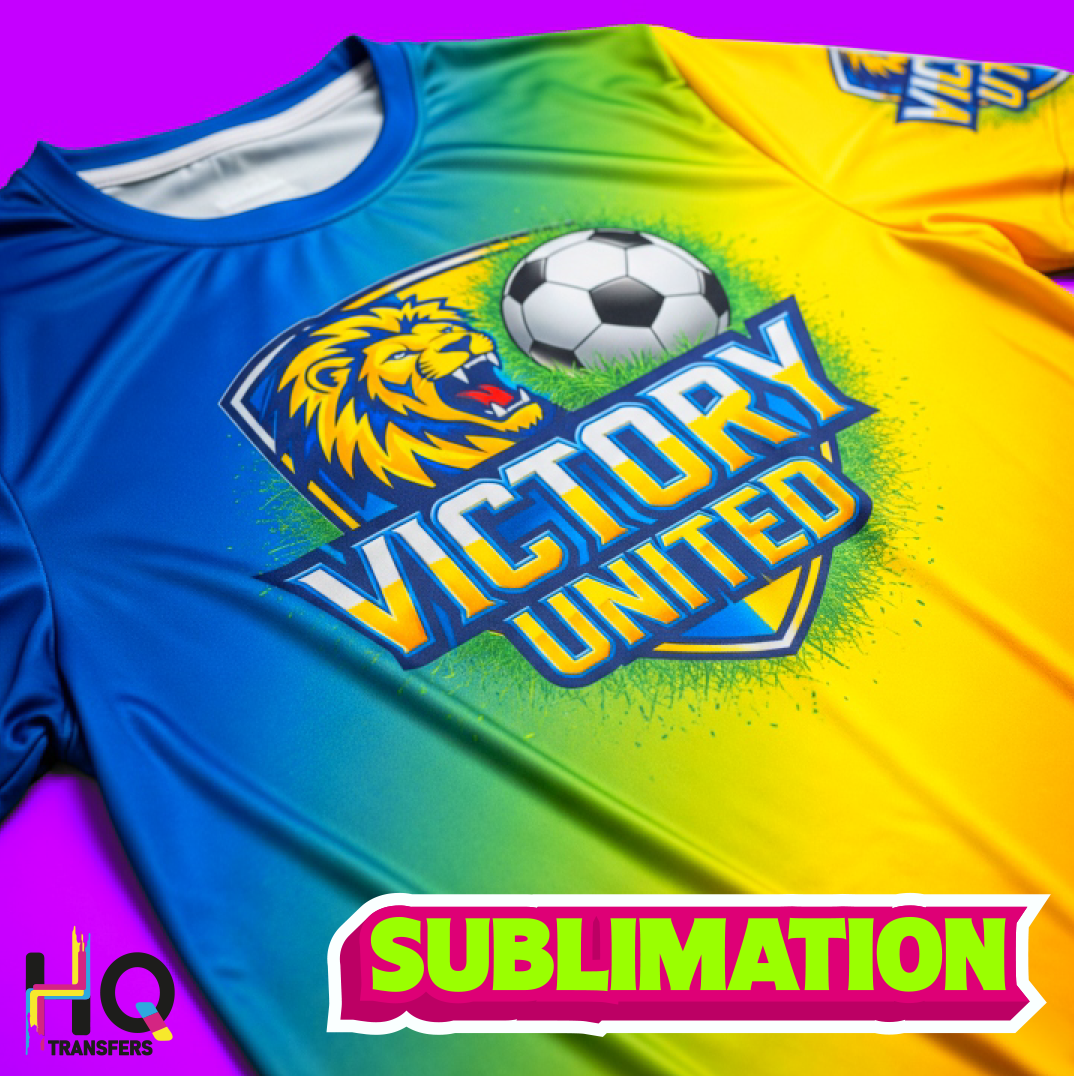
If you're ready to see what that looks like on your next order, start from our homepage to browse the full catalog, or go straight to our DTF transfers collection for standard and ready-to-press options. Hard-surface product line? Our UV DTF transfers page covers that. Working mostly in polyester? Check our sublimation collection too.
For a deeper look at how ready-to-press fits into your workflow, see our guide: DTF Transfers Ready to Press: What They Are & Why They Save You Time.
FAQ
Q.1 Are these transfers lower quality than premium options?
A. No. The quality stays the same on High Quality Transfers. Our production method is the same for every order. The lower price comes from no set minimums and a smoother workflow. It is not from using a lower-grade product.
Q.2 What's the real difference between ready-to-press and standard DTF sheets?
A. Ready-to-press transfers are pre-cut and pre-powdered, so there's zero prep before pressing. Standard sheets require you to cut and prep the design yourself.
Q.3 Should I use hot peel or cold peel for a small order?
A. Cold peel is the usual safe pick for small runs. It is easier to get it right with the right heat and pressure. Hot peel makes more sense once you're running larger batches where speed matters more.
Q.4 Why do hat transfers crack faster than shirt transfers?
A. Curved surfaces put more stress on a transfer during wear than a flat shirt does. Sizing the design appropriately and using proper cap press equipment reduces that stress.


