
By the Supply & Production Team, High Quality Transfers
We stock both sublimation and DTF consumables and see firsthand which one a shop actually needs based on its fabric mix. This guide reflects that side-by-side experience, not just spec sheets.
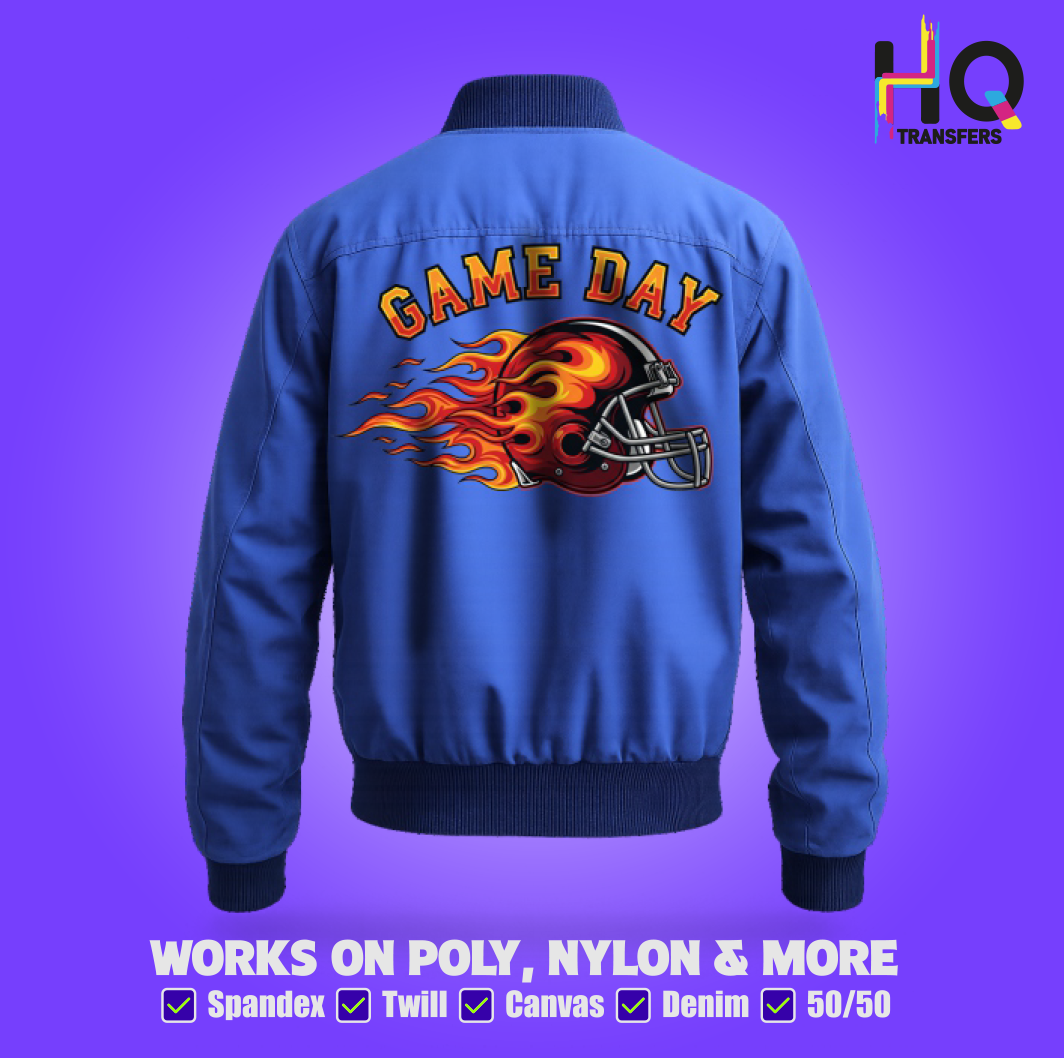
Sublimation transfers bond dye directly into polyester fibers under heat, producing permanent color with no surface texture, unlike DTF, which sits as a layer on top of fabric. High Quality Transfers supplies sublimation transfers, dye sublimation gang sheets, and in-house DTF consumables, including premium ink, powder, and 24-inch film rolls.
The global dye sublimation printing market was valued at $16.4 billion in 2025 and is projected to reach $38.96 billion by 2033, growing at an 11.5% compound annual growth rate, according to Grand View Research. That kind of growth doesn’t happen by accident. It reflects a real shift toward products that need color baked directly into the material instead of printed on top of it.
Sublimation vs. DTF: Know Which One You Actually Need
These two methods are often confused, so let’s separate them clearly before going further.
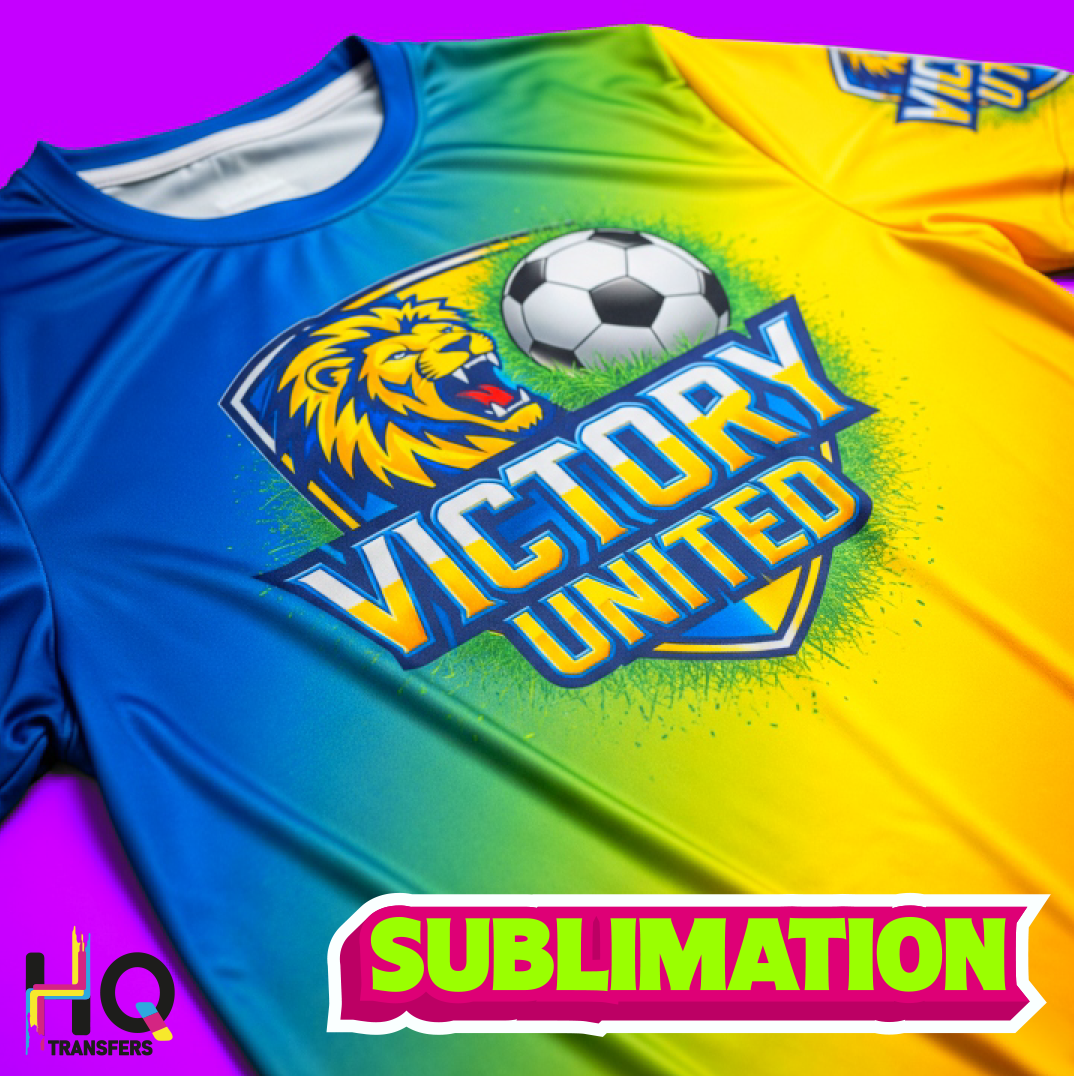
Custom sublimation transfers use dye-based ink that turns into a gas under heat and pressure, bonding directly into polyester fibers. There’s no texture on top of the fabric. The color becomes part of the material itself.
DTF, by contrast, prints a design onto film and presses it onto the fabric as a thin layer sitting on the surface. It works on cotton and polyester alike, whereas sublimation works only on polyester or poly-coated substrates.
|
Factor |
Custom Sublimation Transfers |
DTF Transfers |
|
Fabric |
Polyester, poly-coated only |
Cotton, polyester, blends |
|
Feel |
No texture, fully absorbed |
Slight layer on top |
|
Dark garments |
Needs light base fabric |
Works on dark fabric |
|
Best fit |
All-over prints, mugs, coated blanks |
Team apparel, mixed fabric orders |
Why Shops Choose Sublimation for Specific Jobs
A few scenarios where sublimation is clearly the better choice over other transfer methods:
-
Full jersey prints where color needs to cover the entire garment edge to edge
-
Mugs, tumblers, and other coated hard goods
-
Performance wear where a soft hand feel matters more than heavy coverage
For those jobs, our sublimation transfers collection is built specifically around polyester apparel and coated blanks, with color profiles tuned so that what you see on screen matches what comes out of the press.
Want a closer look at what makes a strong sublimation print? Our guide on Full-Color Sublimation Sheets: Elevate Your Printing Game covers it in more depth.
DTF Printing Supplies: What Shops Printing In-House Need
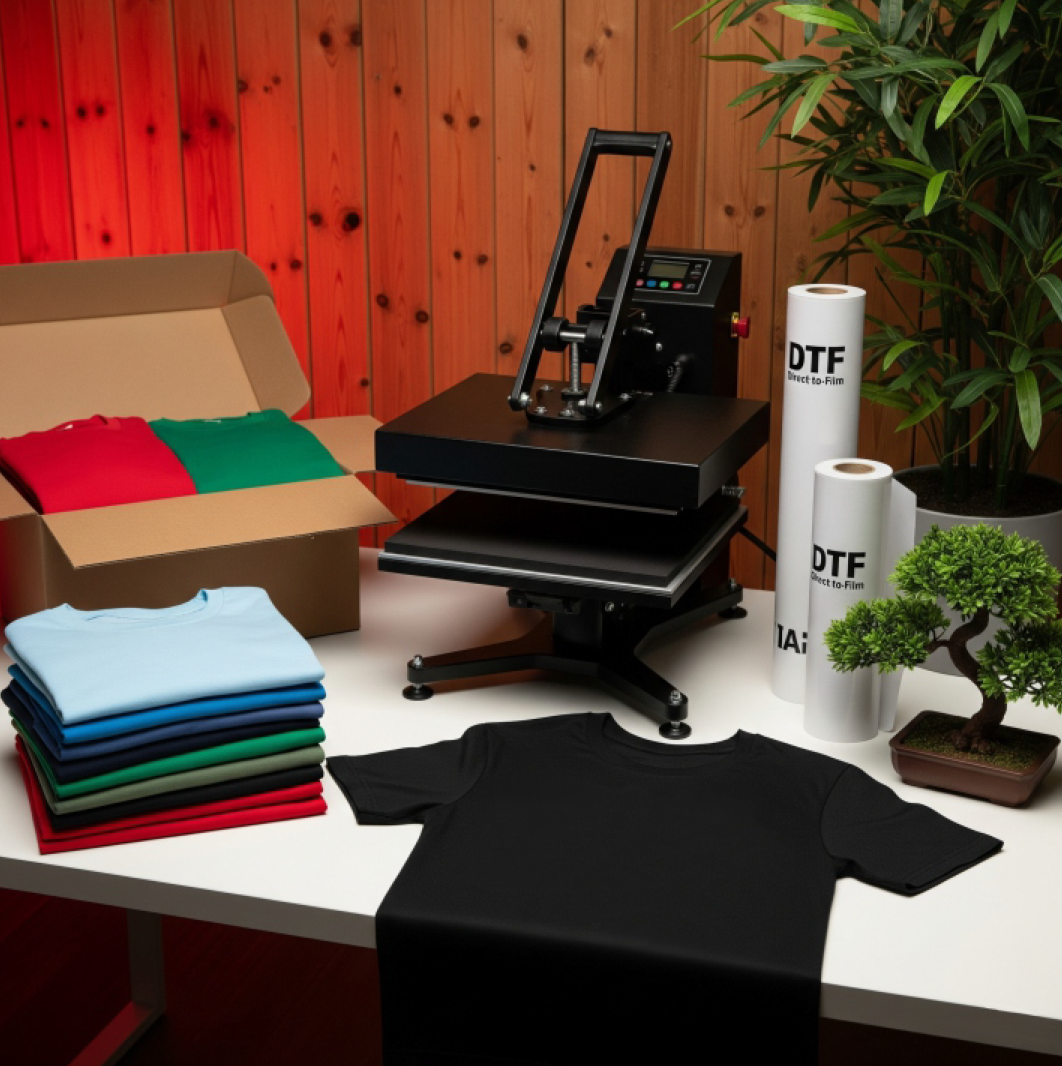
Not every shop wants to outsource production entirely. For decorators running their own DTF setup, having reliable DTF printing supplies on hand matters as much as the design work itself.
We stock the core consumables shops, but they actually run out mid-order:
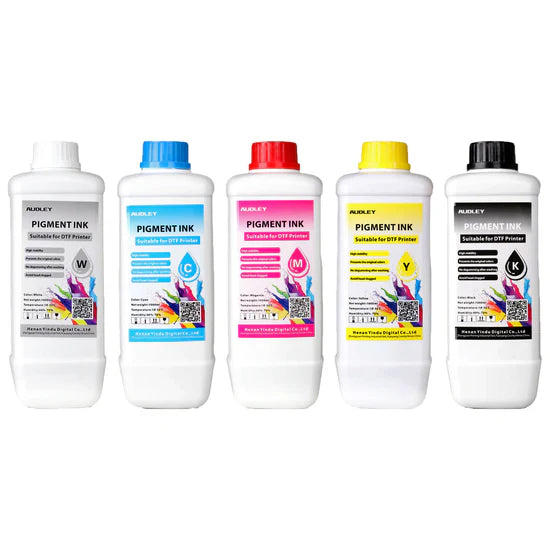
1. Premium DTF ink, formulated for consistent color output across print runs.
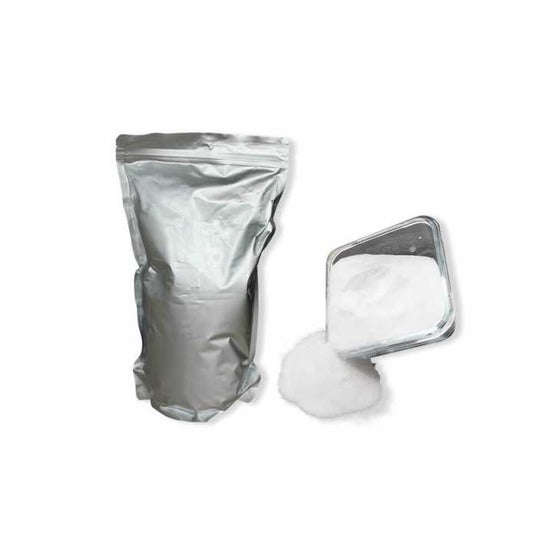
2. DTF powder, the hot-melt adhesive that bonds the design to fabric during pressing.
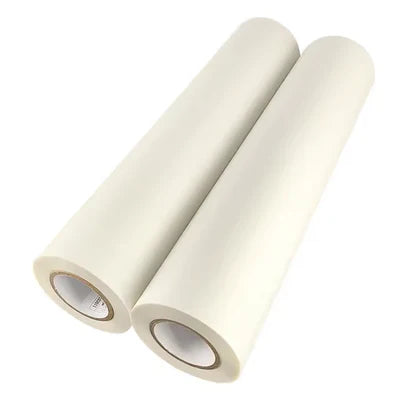
3. DTF film, available in 24-inch rolls for shops running higher-volume in-house production.
Running out of any one of these mid-job stalls production completely, which is exactly why we treat supply availability as seriously as finished transfers.
How Dye Sublimation Gang Sheets Help You Batch for Efficiency
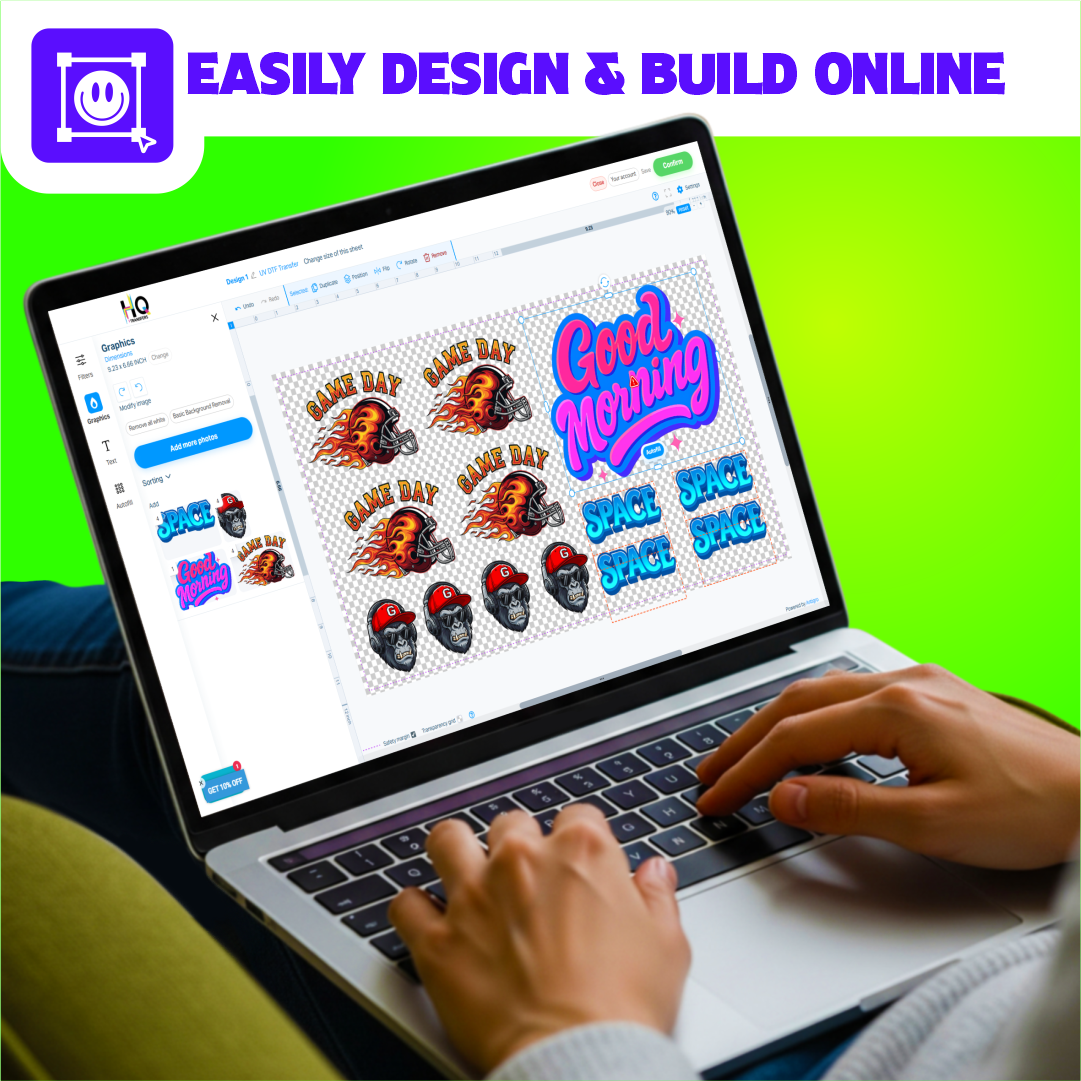
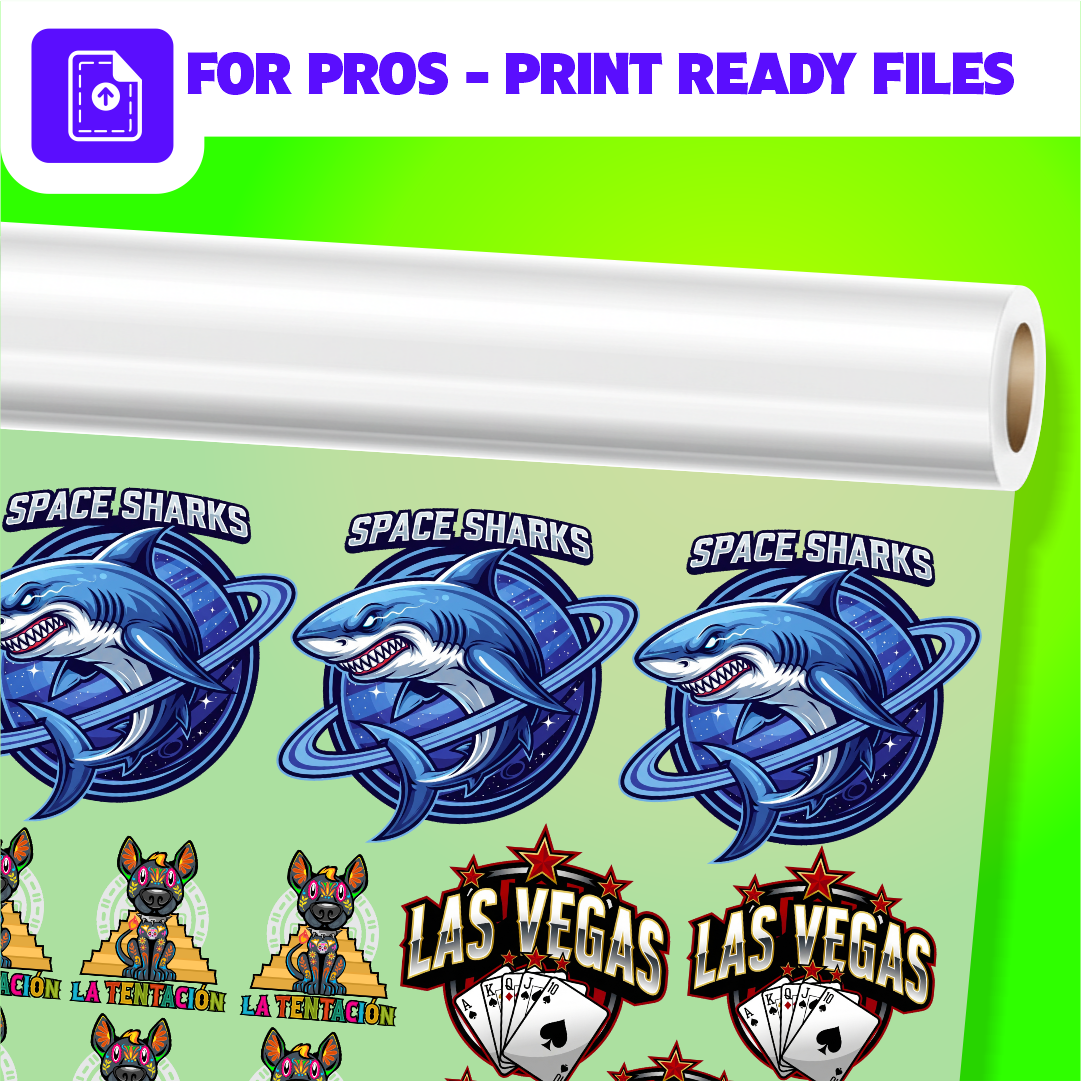
Just like DTF, sublimation transfers benefit from gang sheet layouts. A dye sublimation gang sheet lets you batch multiple designs, whether that’s several small logos or a mix of sizes, onto one printed sheet instead of running each design separately.
This is especially useful as we head into a busy season. A shop that stocks up on holiday designs in advance, rather than scrambling to print each order as it comes in, tends to meet deadlines with far less last-minute pressure.
This matters most for shops producing recurring orders, like a sports league running the same handful of designs across dozens of jerseys each season. Building the layout once and reordering the same sheet saves setup time on every repeat run.
A few habits keep sublimation gang sheets running efficiently over a full season of reorders:
-
Save your most-used designs as a template layout instead of rebuilding it from scratch each time.
-
Group similar sizes together so sheet space gets used efficiently instead of leaving awkward gaps.
-
Double-check color profiles before a big batch run, since polyester dye can shift slightly between fabric weights.
That last point trips up more shops than people expect. The same design can look slightly different on a lightweight jersey versus a heavier poly blend, simply because of how the fabric absorbs dye during the heat press stage.
Putting It Together for Your Shop
If your product mix leans toward polyester, whether that’s performance jerseys, mugs, or all-over apparel prints, sublimation transfers are likely the better production method than DTF. If your catalog is mostly cotton or mixed fabric, DTF probably fits better. Plenty of shops run both, choosing per order based on the fabric in front of them rather than picking one method for everything.
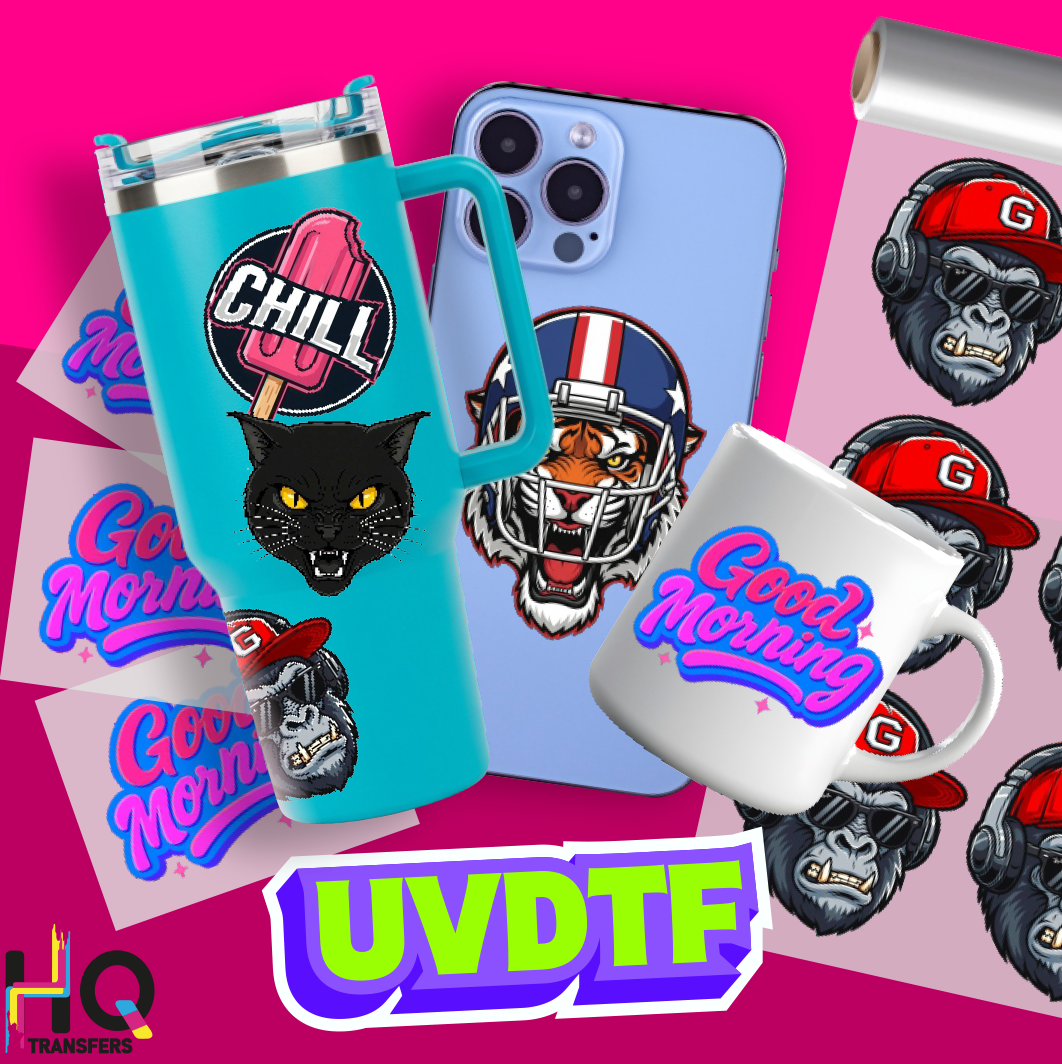
We stock both processes along with the consumables to support in-house production, so you’re not stuck choosing a supplier based on which single method they happen to specialize in. Start with our sublimation transfers collection for polyester and coated blank orders, or check our DTF transfers page if cotton and blends make up more of your work. Hard-surface products fall under our UV DTF transfers collection, and you can see everything we carry from our homepage.
FAQ
Q.1 What’s the simplest way to know if I need sublimation or DTF?
A. Check the fabric. Polyester or poly-coated items are suitable for sublimation. Cotton or blended fabric points toward DTF.
Q.2 Can sublimation transfers be used on cotton shirts?
A. No. Sublimation dye needs polyester fibers or a poly coating to bond to. On cotton, the print won’t hold and will wash out quickly.
Q.3 Do I need special ink for sublimation printing?
A. Yes, sublimation requires dye-based sublimation ink specifically. Standard DTF ink won’t convert to gas under heat the way sublimation ink does.
Q.4 What DTF printing supplies does High Quality Transfers stock?
A. We carry premium DTF ink, DTF powder, and DTF film in 24-inch rolls for shops handling their own in-house production.
Q.5 Are dye sublimation gang sheets priced the same way as DTF gang sheets?
A. Pricing follows the same general logic, based on sheet space used, though sublimation and DTF are separate products with their own pricing.


