

DTF transfers work on cotton, polyester, and blends, and print in full color, including white ink for dark garments. Sublimation only works on polyester or poly-coated substrates and produces no white layer, so it requires a light-colored base. The right choice depends entirely on what fabric your customers are ordering.
Straight talk: there’s no single winner in the DTF vs sublimation debate. Each method solves a different problem, and picking wrong costs you reprints and unhappy customers. Here’s how each one actually works, where they diverge, and which one fits your product line.
How each printing method works
DTF and sublimation solve different problems because the ink behaves differently once it hits the fabric.
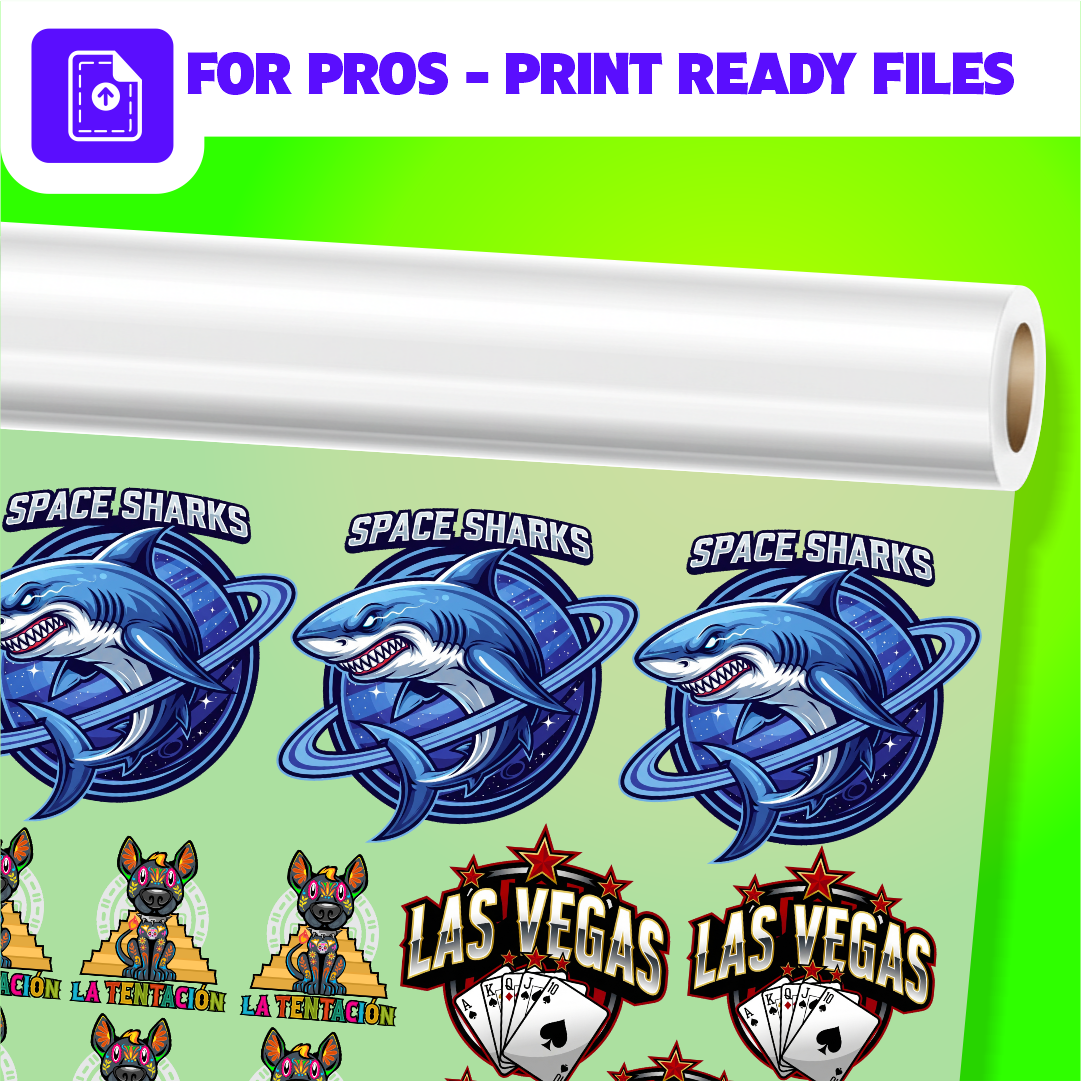
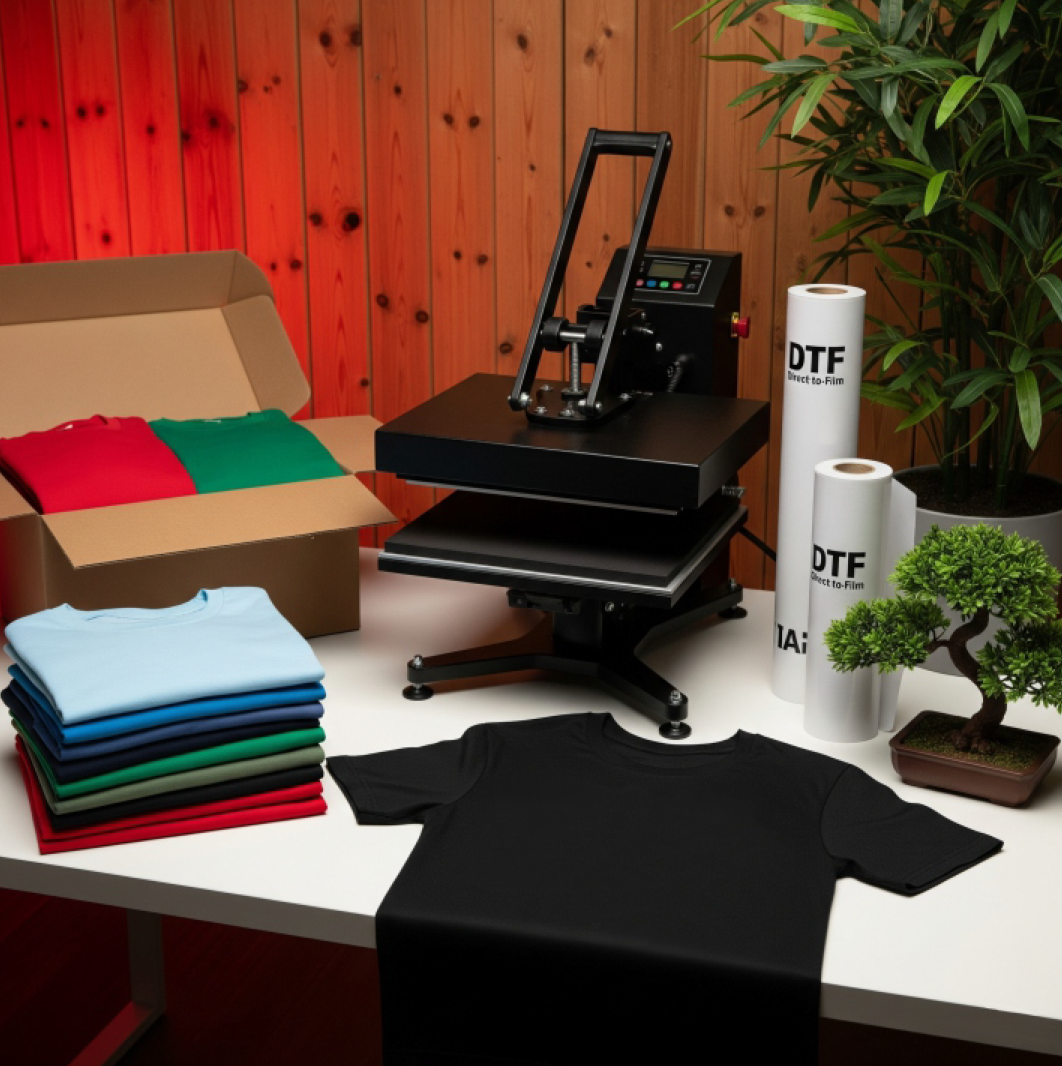
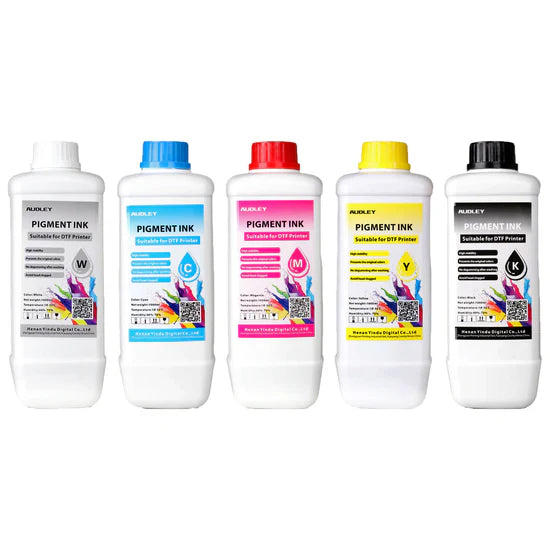
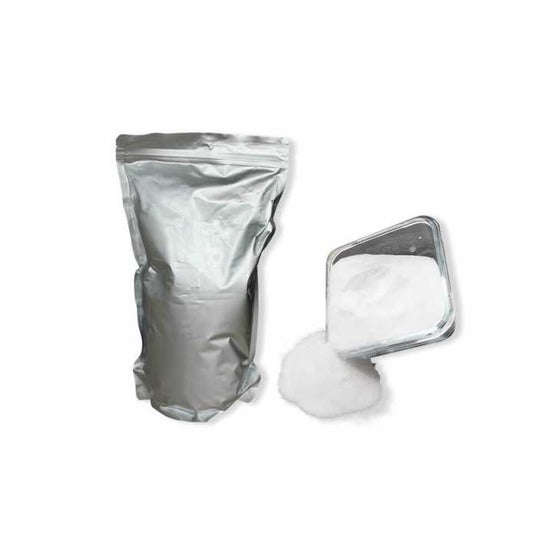
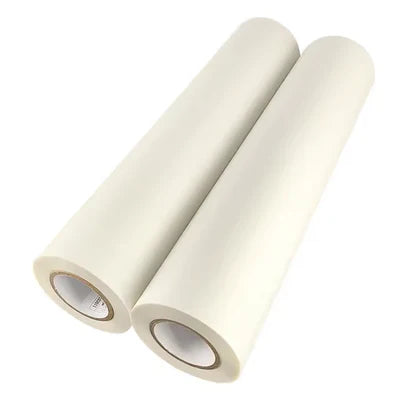
DTF (Direct to Film): the design prints onto film using CMYK ink plus a white ink layer, gets coated with adhesive powder, cured, then heat pressed onto the garment. The design ends up as a flexible layer sitting on top of the fabric.
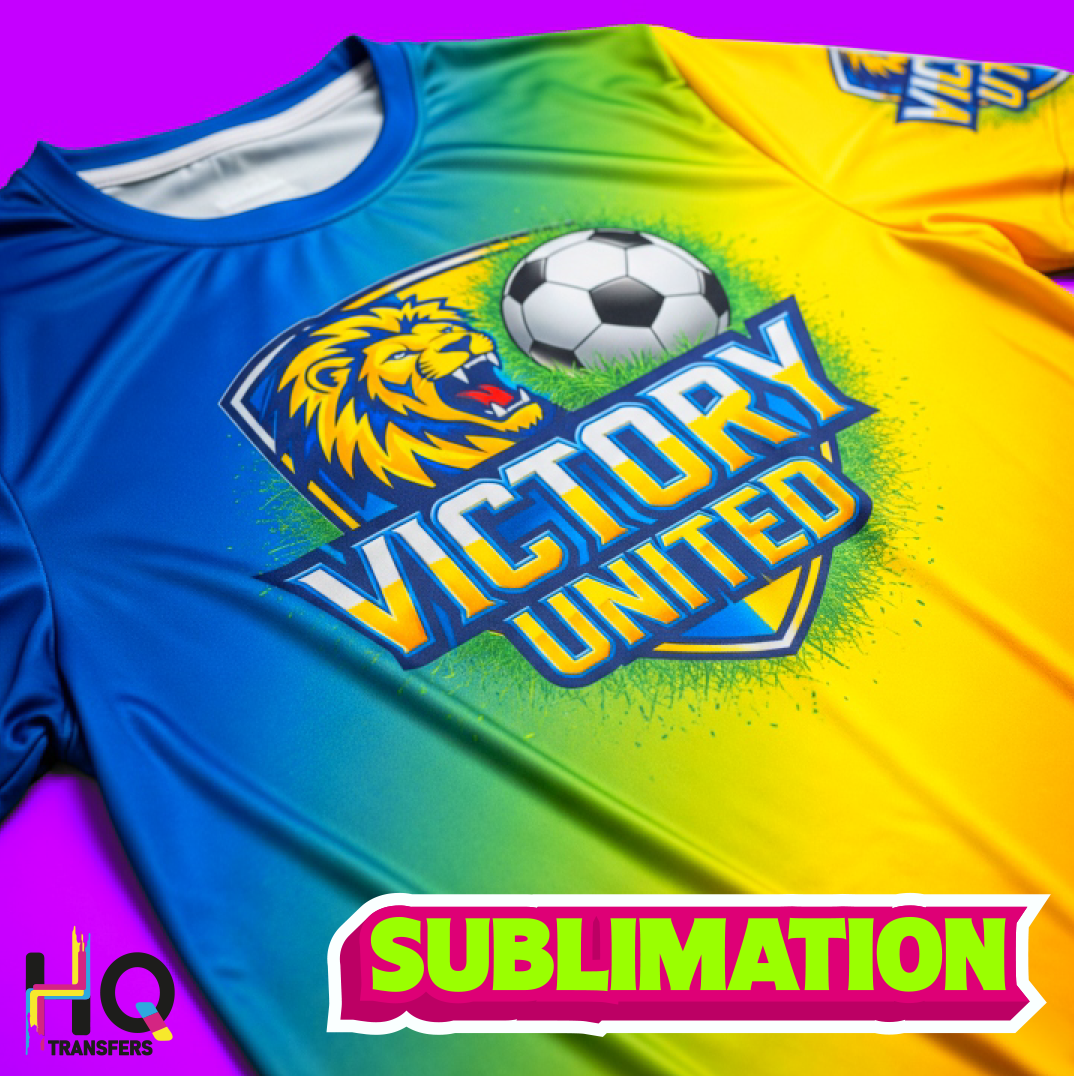
Sublimation: the design prints onto transfer paper using dye-based ink. Heat and pressure turn that ink into a gas that bonds directly into polyester fibers. There’s no top layer left behind. The design becomes part of the fabric itself.
That difference in process is the reason everything else about these two methods works the way it does.
Cotton vs. Polyester compatibility
This is the deciding factor for most buyers choosing between the two.
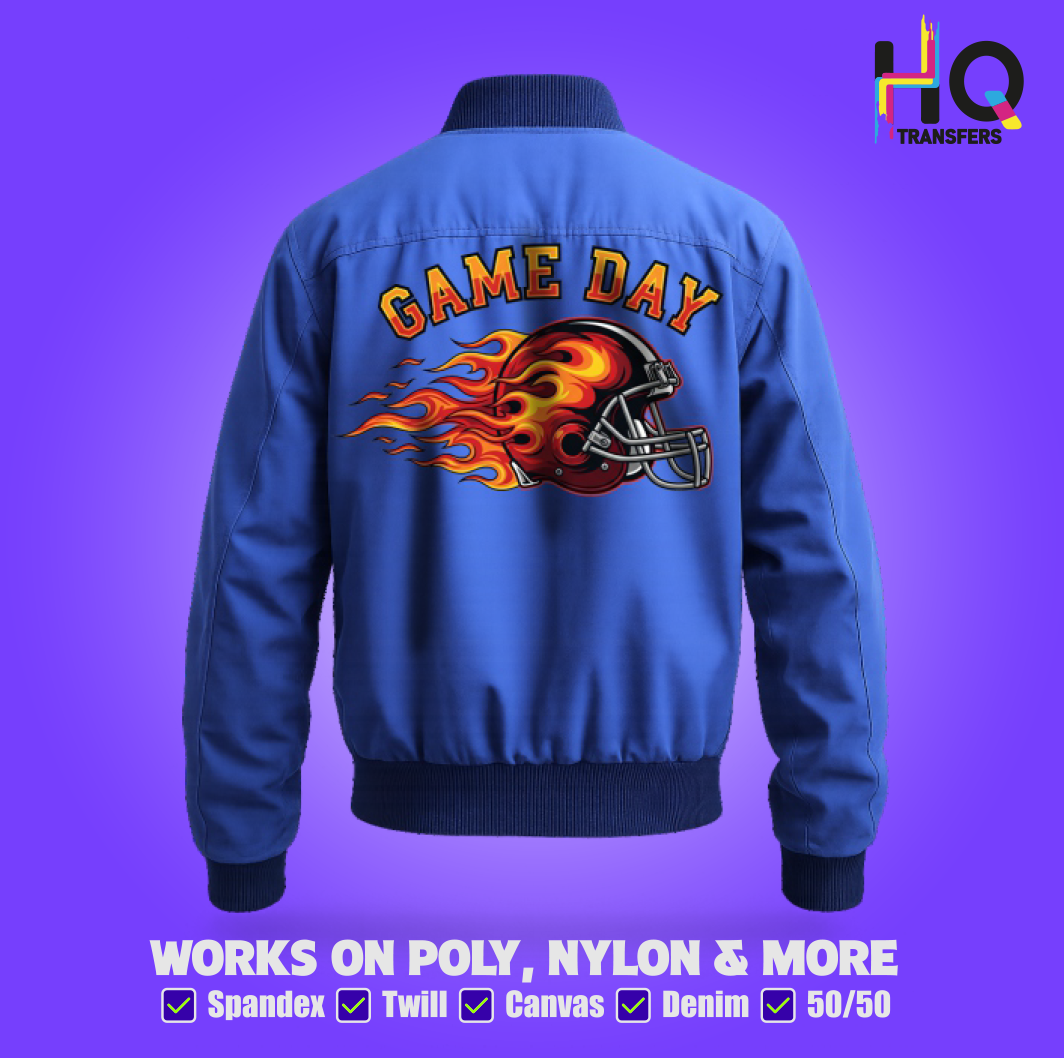
• DTF transfers work on cotton, polyester, and blends, which covers most common apparel fabrics.
• Sublimation transfers only work on polyester or polymer-coated surfaces, like mugs, tumblers, and poly tees. Sublimation on cotton won’t bond at all. The dye has nothing to attach to.
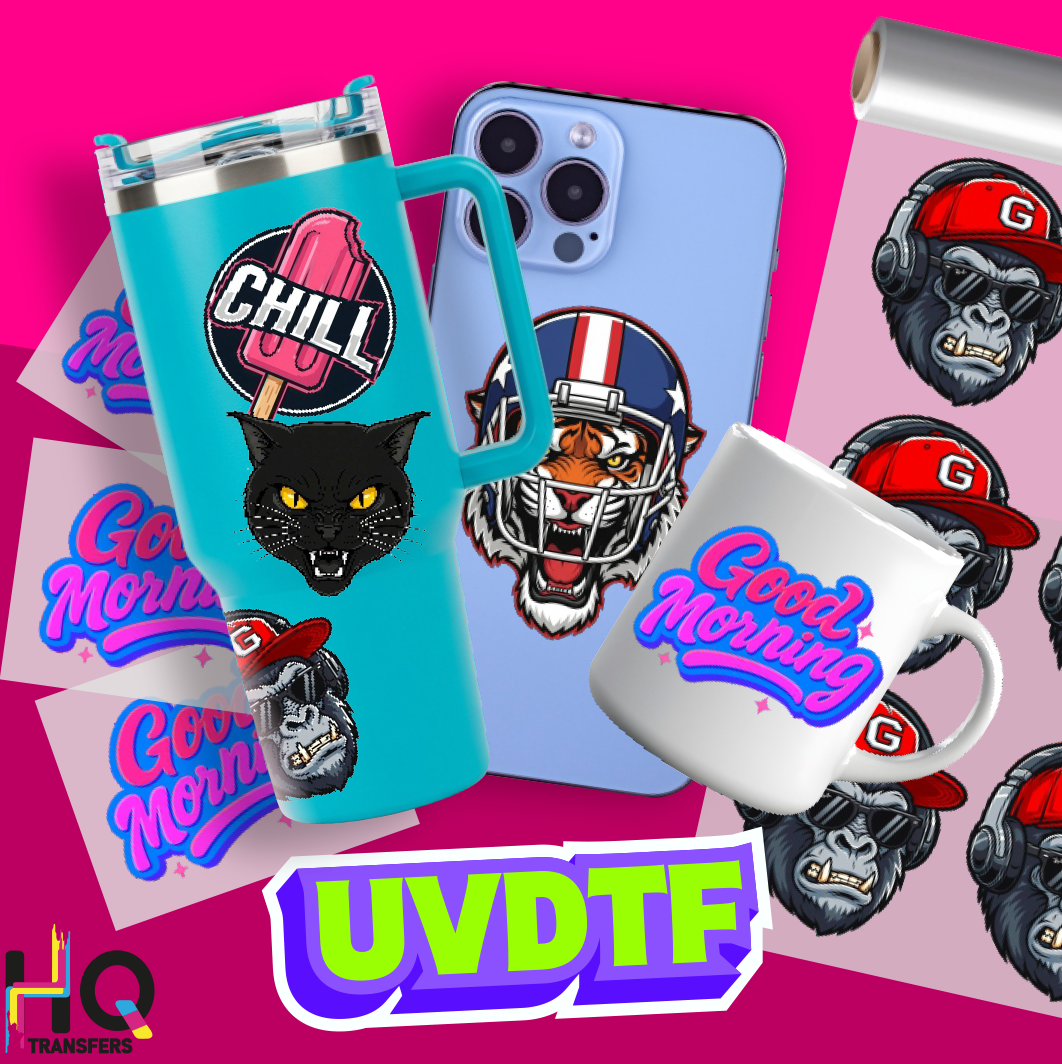
• For hard surfaces, UV DTF prints on glass, acrylic, and other smooth materials without needing a poly coating, while sublimation stays limited to blanks made specifically for it.
If any part of your product line includes cotton apparel, sublimation simply isn’t an option for those pieces.
Cost, durability & print quality comparison
|
Factor |
DTF Transfers |
Sublimation Transfers |
|
Fabric compatibility |
Cotton, polyester, blends |
Polyester or poly-coated only |
|
Works on dark garments |
Yes, white ink layer included |
No, requires a light base |
|
Feel on fabric |
Slight layer, soft-hand finish |
Fully absorbed, no feel |
|
Durability |
Holds up well with proper care |
Excellent on poly, doesn’t peel or crack |
|
Best use case |
Apparel, mixed fabric orders |
All-over prints, mugs, poly performance wear |
Both methods hold up long-term when applied correctly. Most failures trace back to using the wrong method for the fabric, not a flaw in either process itself.
Which transfer method is right for your business
If you are trying to figure out the best transfer method for shirts in your shop, start with your fabric tags, not your equipment budget. Ask yourself these questions before you commit to one method:
1. What fabric do most of your orders use? Mostly cotton or mixed blends → DTF. Mostly polyester apparel or hard-surface blanks → sublimation transfers (or UV DTF for hard surfaces).
2. Do you need dark garment printing? DTF handles black and navy shirts without issue. Sublimation requires a white or light base.
3. Are you printing on both fabric and hard goods? You may need both methods, or UV DTF for the hard-surface side of your catalog.
HQ Transfers handle this differently than shops that specialize in just one method: our production line runs full-color DTF for apparel and UV DTF for hard-surface goods, so a mixed catalog doesn’t mean managing two separate vendors.
Common misconceptions in the DTF transfers vs sublimation debate
A few myths keep circulating in apparel forums, and they lead to bad buying decisions.
• “Sublimation lasts longer than DTF.” Not true across the board. Sublimation lasts a long time on polyester specifically because the dye becomes part of the fiber. On the right fabric, properly applied DTF transfers hold up through 50+ wash cycles too.
• “DTF feels heavy on every shirt.” Modern DTF ink layers are thinner than they were a few years ago. On lightweight cotton, the hand feel is close to a screen print, not a thick vinyl layer.
• “UV DTF and sublimation are basically the same for hard goods.” They’re not. UV DTF vs sublimation comes down to substrate prep. Sublimation needs a poly-coated blank specifically made for it. UV DTF sticks to surfaces that were never designed for printing at all.
• “You need separate equipment for every method.” You need a separate press setup for sublimation timing and pressure, but many shops run DTF and UV DTF workflows through similar equipment with different transfer types.
How to decide if you sell both product types
If your catalog includes both apparel and hard-surface items (shirts and tumblers, for example), you likely need both methods rather than picking one:
1. Use DTF transfers for any cotton, blend, or dark-colored apparel.
2. Use sublimation transfers for light-colored polyester apparel and poly-coated blanks like mugs.
3. Use UV DTF for glass, acrylic, and other hard surfaces that aren’t polymer-coated.
Running all three under one supplier keeps your branding, color matching, and turnaround consistent across your whole catalog instead of managing multiple vendors with different lead times.
Conclusion
Neither method is objectively better than the other. At the end of the day, the best transfer method for shirts is the one that matches the fabric your customers actually wear.
If your orders lean toward cotton and blends, start with the DTF transfers by size collection. If you’re working with hard-surface items like tumblers or signage, the UV DTF 3D by size collection is built for that. For poly-coated blanks, browse the sublimation collection.
FAQ
Q - What’s the main difference between DTF and sublimation?
Ans - DTF transfers sit on top of the fabric and work on cotton or polyester. Sublimation dye bonds into polyester fibers only and won’t hold on cotton at all.
Q - Can sublimation be used on cotton shirts?
Ans - No. Sublimation ink needs polyester fibers or a poly coating to bond to. On cotton, the design fades or washes out almost immediately.
Q - Is DTF or sublimation more durable?
Ans - Both hold up well when applied correctly. Sublimation has a slight edge on poly-coated hard goods since there’s no top layer to peel. DTF wins on apparel flexibility since it works across nearly any fabric type.
Q - What’s the difference between UV DTF and sublimation for hard surfaces?
Ans - UV DTF applies to almost any hard, smooth surface without needing a polymer coating first. Sublimation only works on blanks specifically made to accept it.
Q - Which method is cheaper for a small print shop starting out?
Ans - DTF often costs less to start with, since one process covers both cotton and polyester orders instead of running two separate production lines for different fabric types.


